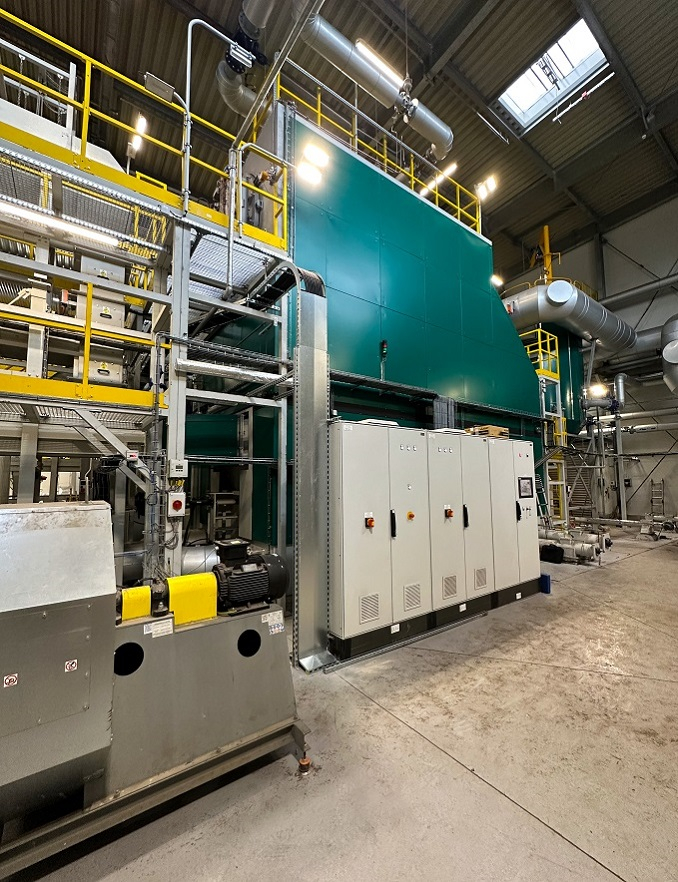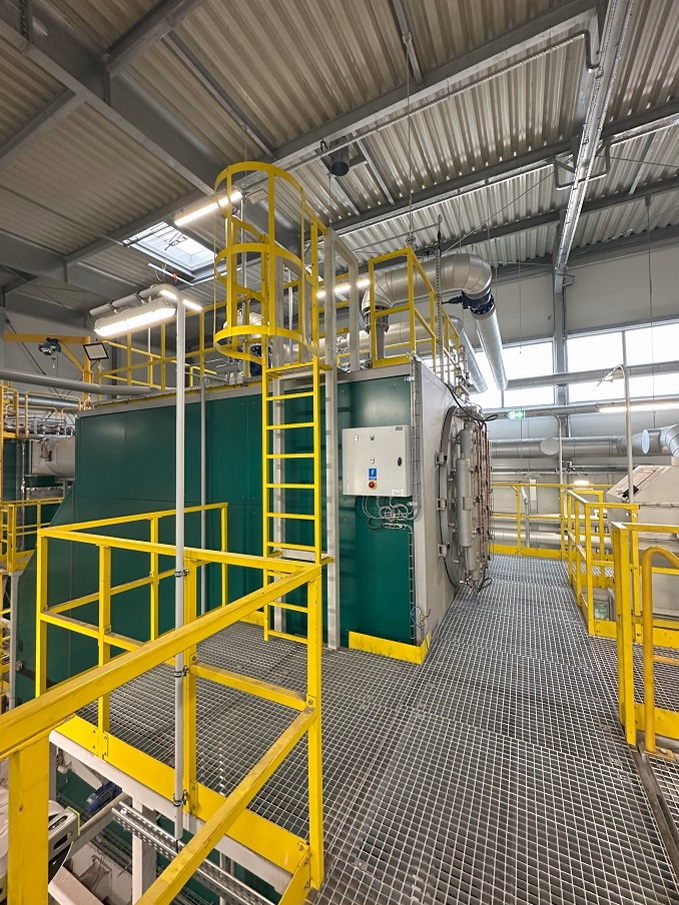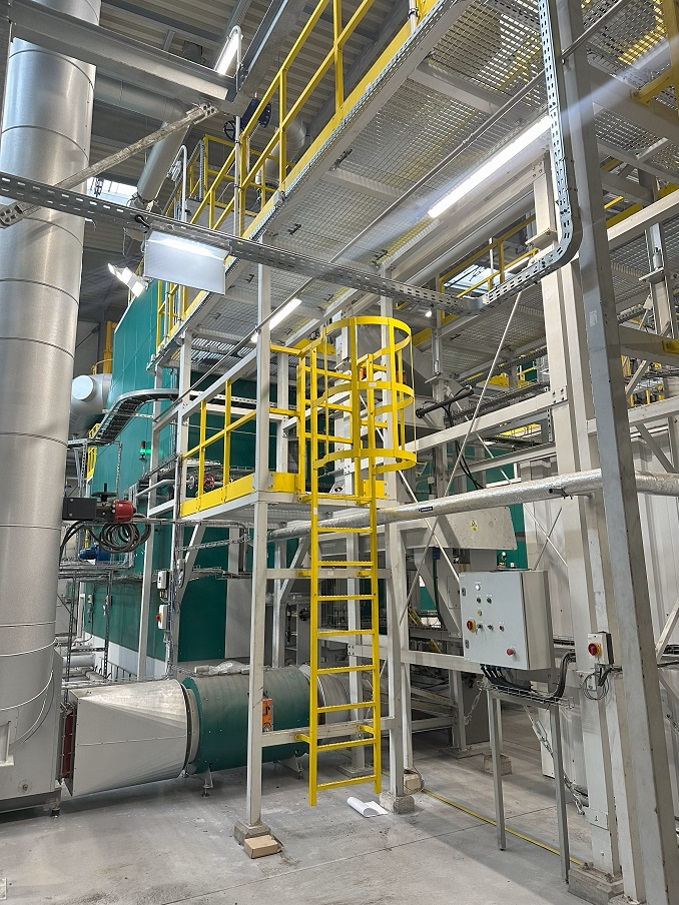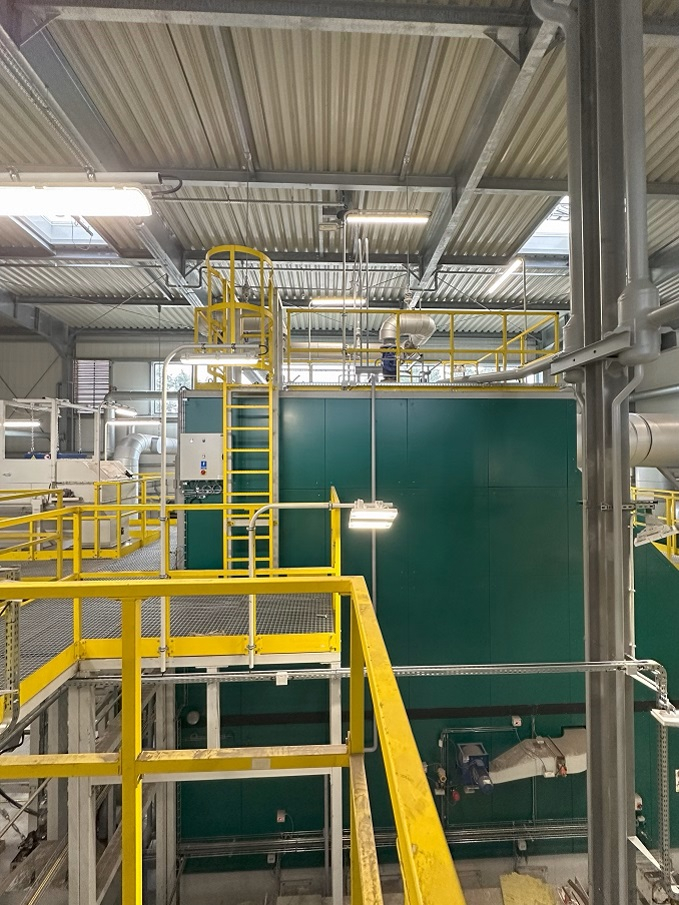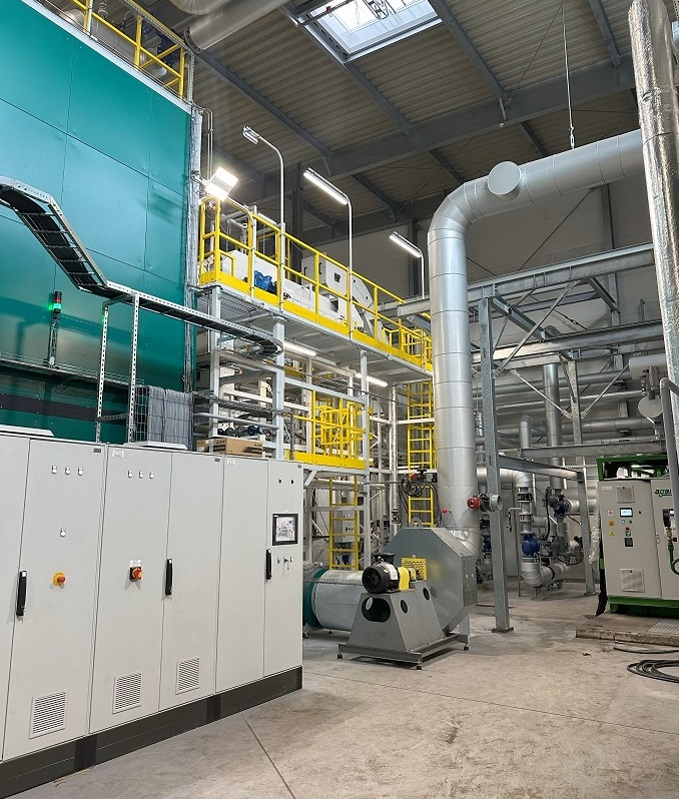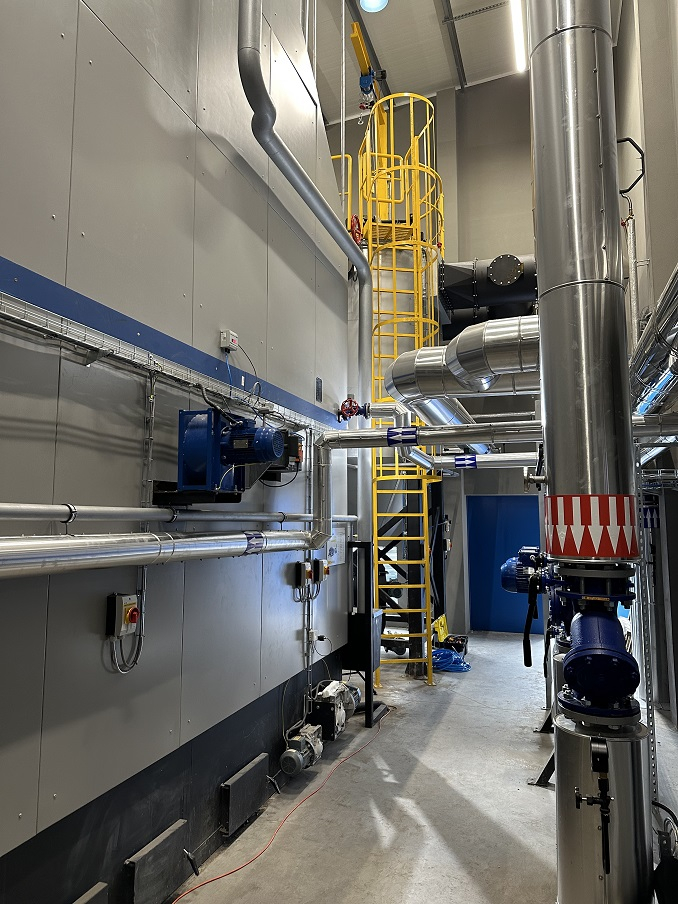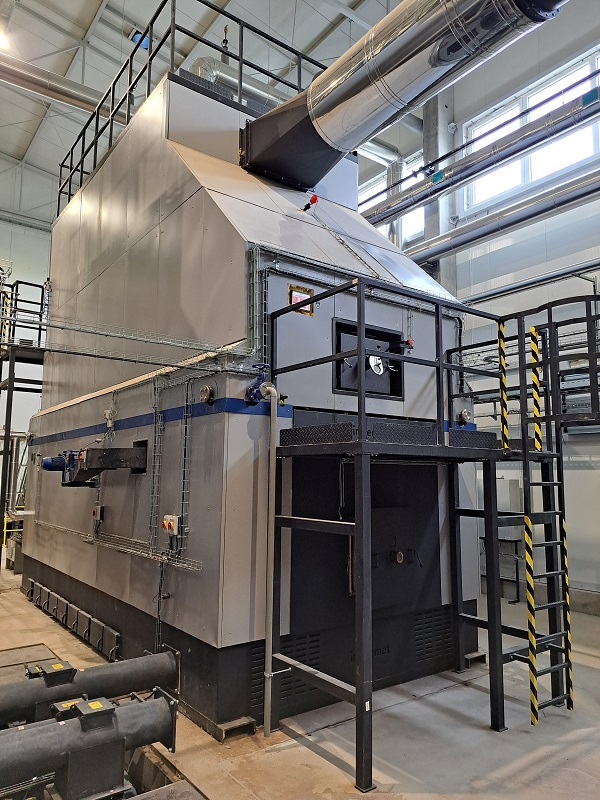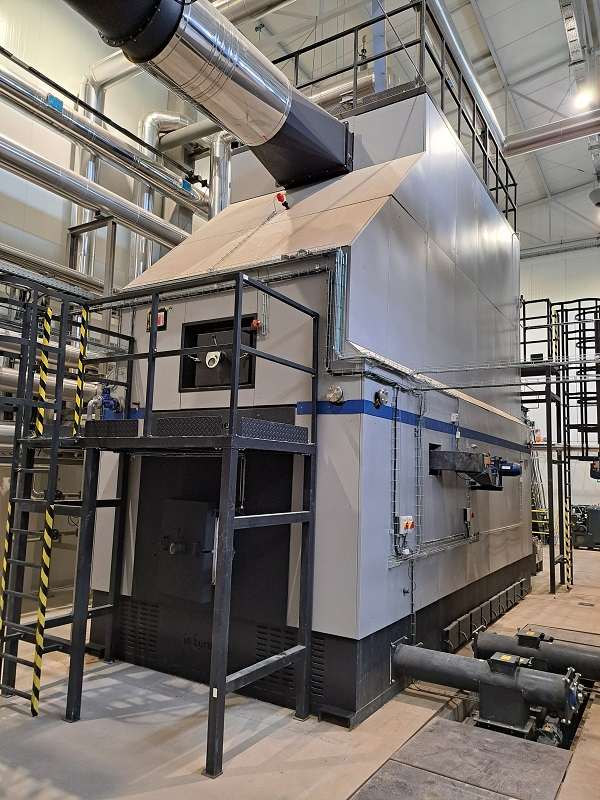


High-temperature water boilers
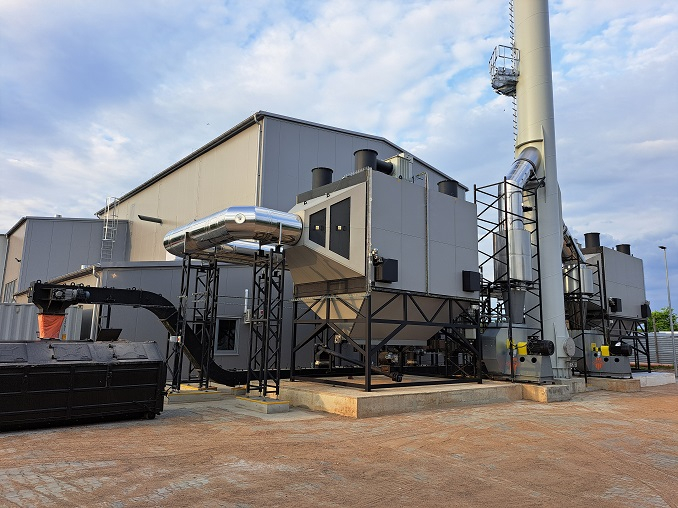
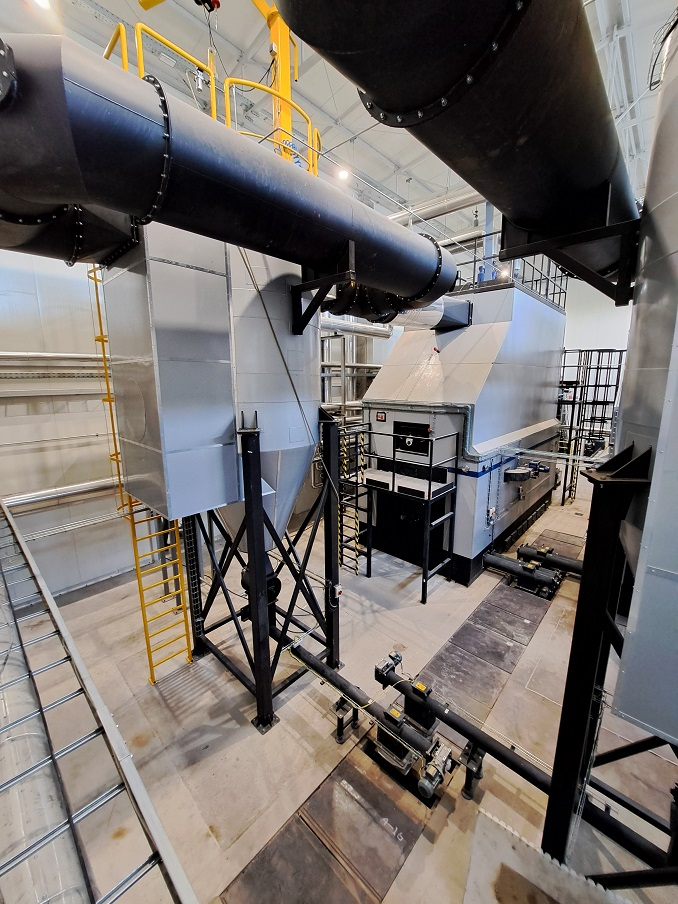
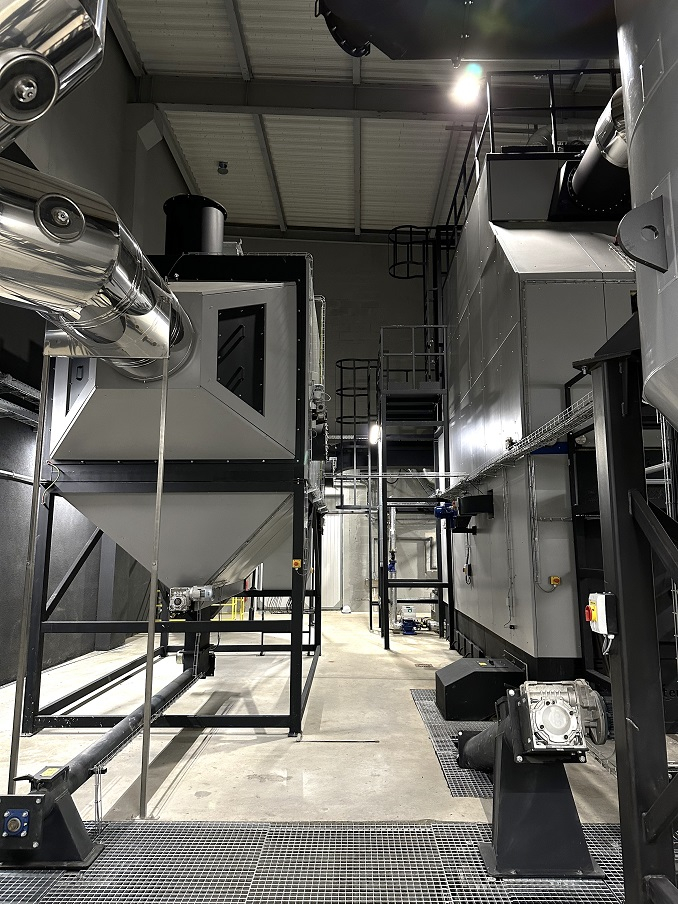
As part of its operations, INTERMET also offers high-temperature boilers where the working medium temperature exceeds 110°C. Each project is custom-designed based on the client's individual needs, following the determination of the boundary parameters for the heating medium supplying the district heating network (Tmax–maximum allowable temperature and Pmax – maximum allowable pressure). As part of the contract, we offer to conduct the conformity assessment of the installation with the Office of Technical Inspection (UDT) and we coordinate the final inspection of the system by a UDT Inspector in the boiler room. We invite you to explore our completed high-temperature boiler installations. Please feel free to contact our sales department to discuss the technical details of your system.
Construction of the boiler
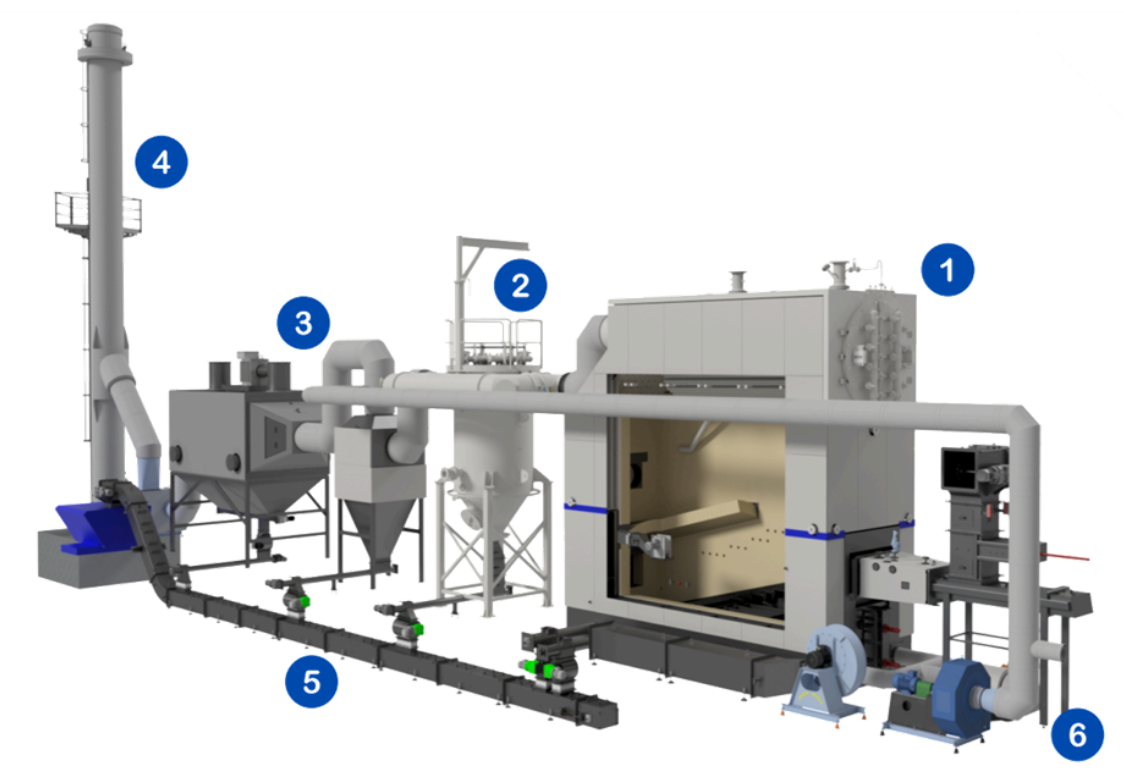
1. Boiler block
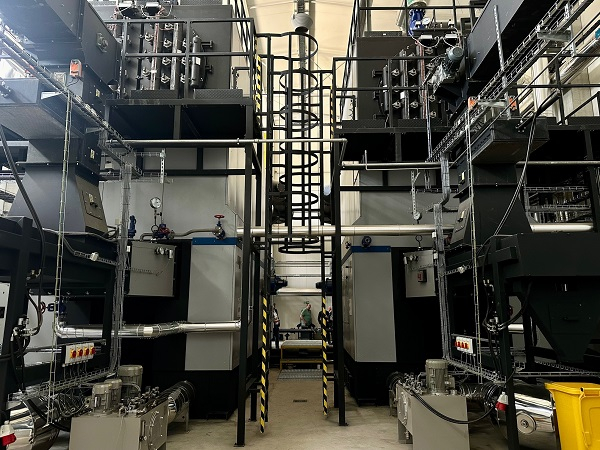
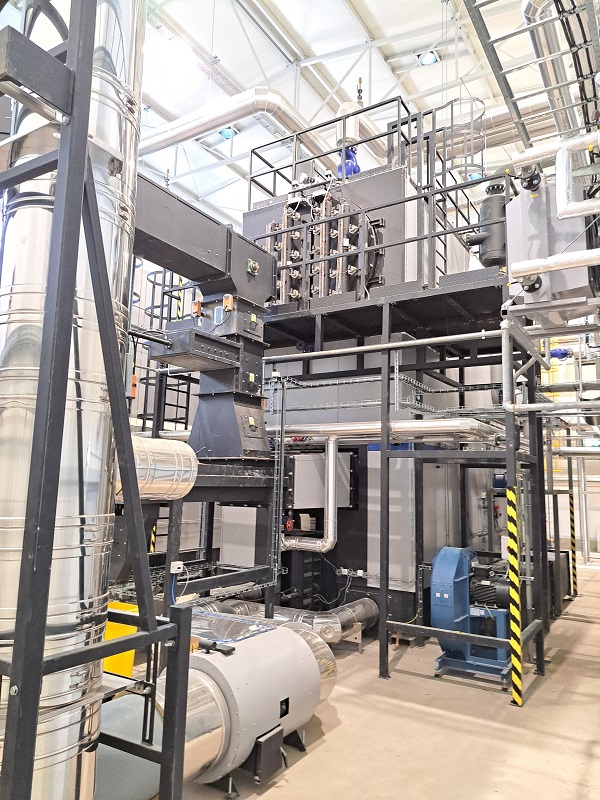
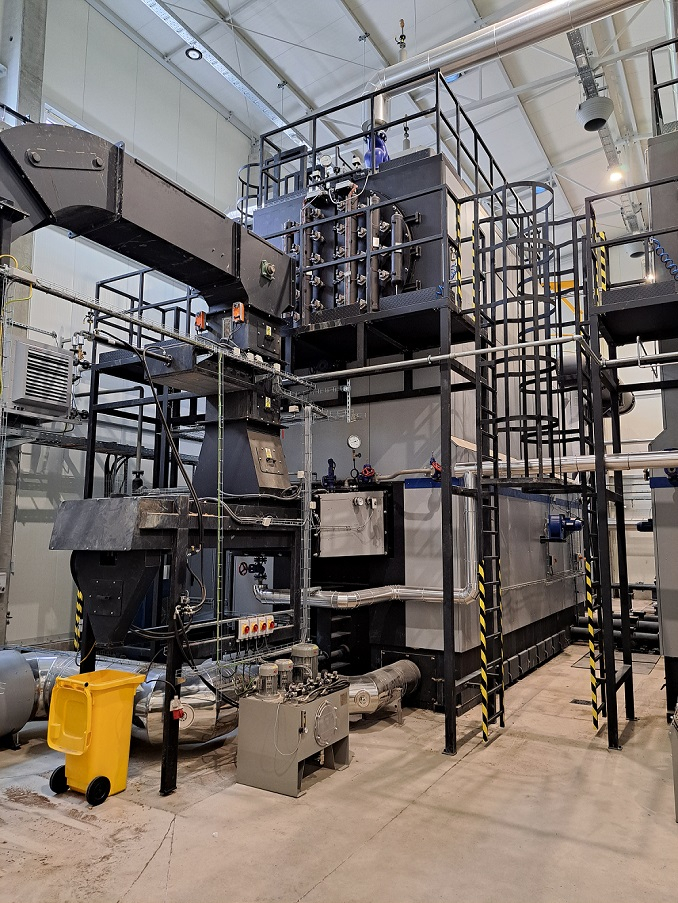
Consisting of a grate furnace and a high-parameter boiler. The two-section, moving grate is hydraulically driven. The combustion chamber is equipped with primary and secondary air supply connections. The two-pass, fire-tube boiler acts as a flue gas/water heat exchanger.
2. Dry economizer
Acts as a heat exchanger that preheats the return water from the network to the required temperature. This not only protects the boiler against the so-called "cold return", but also increases the efficiency of the entire installation.
3. Two-stage flue gas filtration system
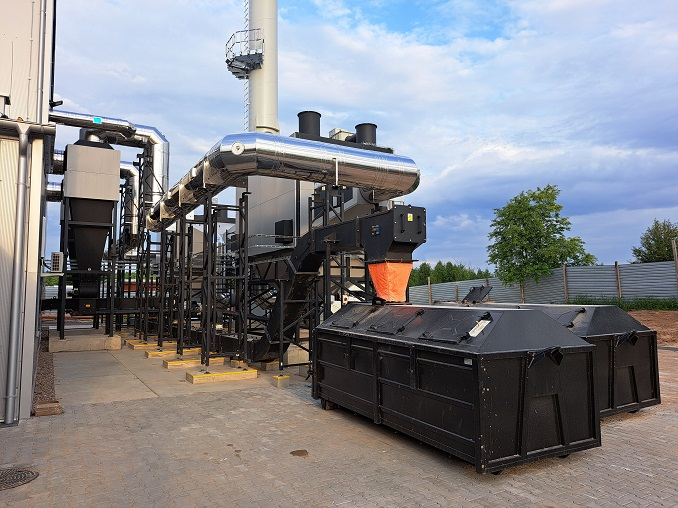
Consists of a multi-cyclone and an electrostatic precipitator. It guarantees compliance with particulate matter (PM) emission requirements to the atmosphere.
4. Free-standing chimney (stack)
Discharges cleaned flue gases into the atmosphere.
5. Central slag and ash removal system
Consists of a drag chain conveyor (redler) collecting waste from the furnace, economizer, multi-cyclone and electrostatic precipitator, as well as horizontal screw conveyors. Rotary valves are installed at the connection between the conveyor and the slag redler.
6. Flue gas recirculation connection
Quarantees a reduction in the combustion temperature inside the furnace, which translates into lower emissions of nitrogen oxides (NOx).
|
COMPLETED INSTALLATIONS |
|||||
|---|---|---|---|---|---|
| MOC | 1500 kW | 3000 kW | 3000 kW | 5000 kW x2 | 4000 kW x2 |
| Maximum allowable temperature | 150°C | 150°C | 150°C | 150°C | 170°C |
| Maximum allowable pressure | 8 bar | 8 bar | 16 bar | 16 bar | 16 bar |
Photos